Oct 11, 2026
Reef-Safe Snorkeling: Etiquette, Sunscreen and Buoyancy
How to snorkel without harming reefs: buoyancy and fin control, reef-safe sunscreen choices, wildlife distance rules and responsible tour practices.
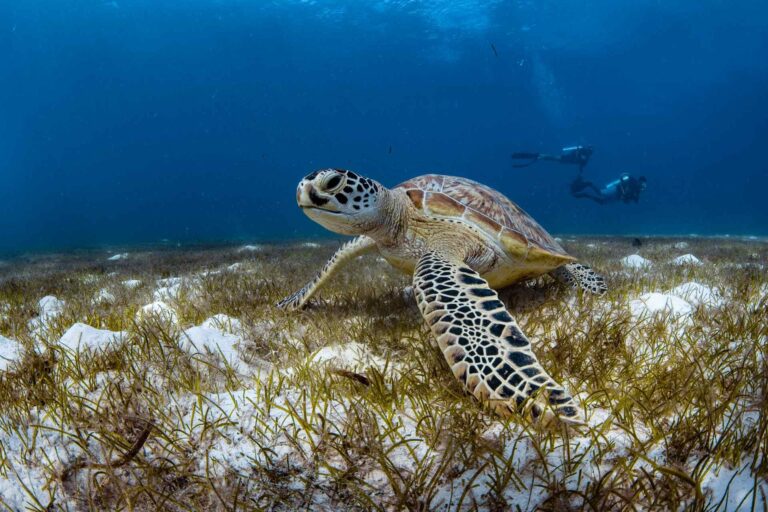
Coral reefs are living structures that grow millimeters a year — and a single careless fin kick can break decades of growth. Reef-safe snorkeling is mostly about where your body and your sunscreen go.
Buoyancy: The Core Skill
Stay horizontal at the surface, legs raised so fins never touch coral below. In shallow water, float instead of standing — and never, ever stand on or hold coral. Practice in a sandy patch first; the techniques from entries and exits help you avoid shallow zones entirely.
Sunscreen That Does Not Harm Coral
Some common UV filters harm coral larvae. Reef-safe labels are imperfect, but the practical rules hold:
• Use mineral filters such as zinc oxide and titanium dioxide
• Avoid sprays — most of it lands on sand and water, not skin
• Apply well before swimming so it bonds to skin, not water
• A rash guard replaces half the sunscreen anyway
Wildlife Distance Rules
Observe, never chase or touch. Turtles need to surface to breathe — blocking one stresses it; touching fish removes their protective slime. Photography etiquette: keep distance, no baiting, no holding animals for photos. These principles apply doubly on drift snorkels, where you cannot stop moving anyway.
Choose Responsible Operators
Good operators brief guests on etiquette, cap group sizes and use fixed entry points. The markers they deploy are covered in flags and floats, and their gear hygiene standards in rental gear buying.
Why Choose zhongjian
zhongjian (ZHONGJIAN TECH) supports reef-friendly tourism with durable rental gear that lasts seasons instead of months — fewer discarded masks and fins is part of conservation too. Our factory runs eco-audited production lines.