Oct 11, 2026
Choosing Fins for Strong Currents: Power, Efficiency and Control
What makes a fin work in current: blade area, stiffness, kick style and foot pocket comfort — plus safety habits for drift and surge conditions.
Current changes everything about fin choice. A fin that feels fine in a calm bay can leave you exhausted and drifting off the group when the tide runs. Here is how to choose and use fins for moving water.
Blade Area and Stiffness
More blade area moves more water; stiffer material transfers power faster. In current you want both — up to the point your legs tire. A blade too stiff for your legs flutter-fails after minutes. Match stiffness to your leg strength and session length, as explained in our fin blade materials comparison.
Kick Style
Long, slow flutter kicks from the hip keep you moving efficiently. Short, fast kicks waste energy and churn the water. In surge zones near rocks, a frog kick or sculling with fins low keeps you controlled without getting pushed onto coral.
Full Foot vs Open Heel
Full foot fins suit warm water and boat entries; open heel fins with boots handle rocky shores and stronger walking. The trade-offs are covered in our full foot vs open heel guide.
Safety Habits That Matter More Than Gear
• Plan with the tide table, not against it
• Stay with the group and agree on a drift plan before entering
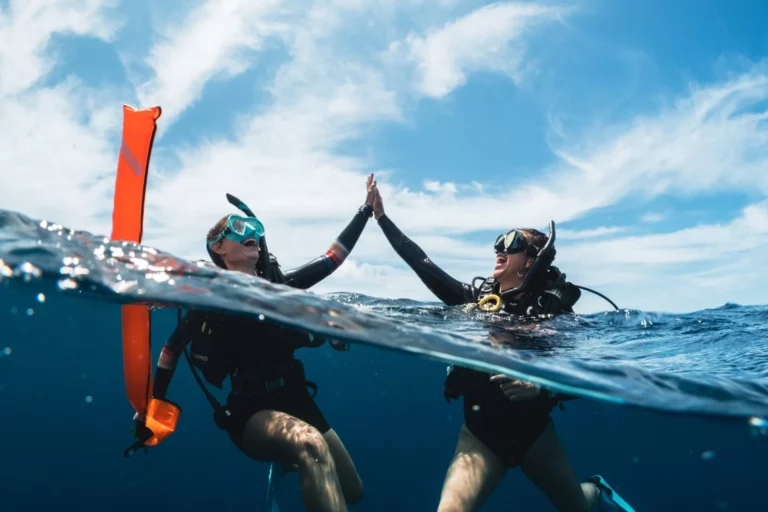
• Carry surface signaling — a whistle and a bright float, see flags and floats guide
• If the current wins, go with it and swim across it, not against it
Why Choose zhongjian
zhongjian (ZHONGJIAN TECH) produces fins in TPE, PP and carbon composites with stiffness options per size, so rental fleets and brands can match fin power to their local conditions. Blade, pocket and strap are all produced in-house.